

Heart Disease
Heart disease means a group of problems that affect how your heart works. It includes conditions like blocked arteries, heart failure, and irregular heartbeat. These problems make it harder for your heart to pump blood and deliver oxygen to the body.
Heart disease is one of the biggest health concerns worldwide. It can develop slowly and often shows no clear signs at first. Many people don’t realize they have it until it causes serious issues, such as chest pain or shortness of breath.
Taking care of your heart is very important. Simple lifestyle changes like healthy eating, daily exercise, and stress control can help prevent heart disease and keep your heart strong
Understanding Heart Disease
Heart disease, also called cardiovascular disease (CVD), includes conditions like heart failure, blocked arteries, irregular heartbeats, and birth-related heart defects. It happens when arteries get blocked, narrowed, or stiff. This reduces blood flow, leading to less oxygen reaching your organs and tissues, which causes long-term damage.
1. Effects on the Circulatory System
Heart disease weakens your circulatory system. When arteries are blocked, your heart struggles to pump blood. This makes your blood pressure rise and puts more stress on blood vessels. Over time, it may cause a stroke, aneurysm, or even tissue death due to poor oxygen supply.
2. Impact on the Brain
Poor blood flow to the brain can lead to dizziness, memory problems, or confusion. In serious cases, it can cause a stroke. A stroke happens when a clot blocks blood flow or when a blood vessel bursts in the brain, leading to permanent brain damage.
3. Damage to the Kidneys
Your kidneys need constant blood flow to clean waste from the body. When heart disease slows circulation, toxins build up, and kidney function drops. High blood pressure, often linked to heart problems, makes the kidneys even weaker, which can lead to kidney failure.
4. Effect on the Lungs
If the heart doesn’t pump well, blood backs up into the lungs. This causes shortness of breath, fatigue, and coughing. Over time, fluid may collect in the lungs—a serious condition known as pulmonary edema, which can be life-threatening.
5. Influence on the Digestive System
Poor blood circulation also affects your digestive organs. When they don’t get enough oxygen, you may feel nausea, bloating, or stomach pain. In extreme cases, the intestines may get damaged, affecting how your body absorbs nutrients.
6. Effect on Muscles and Joints
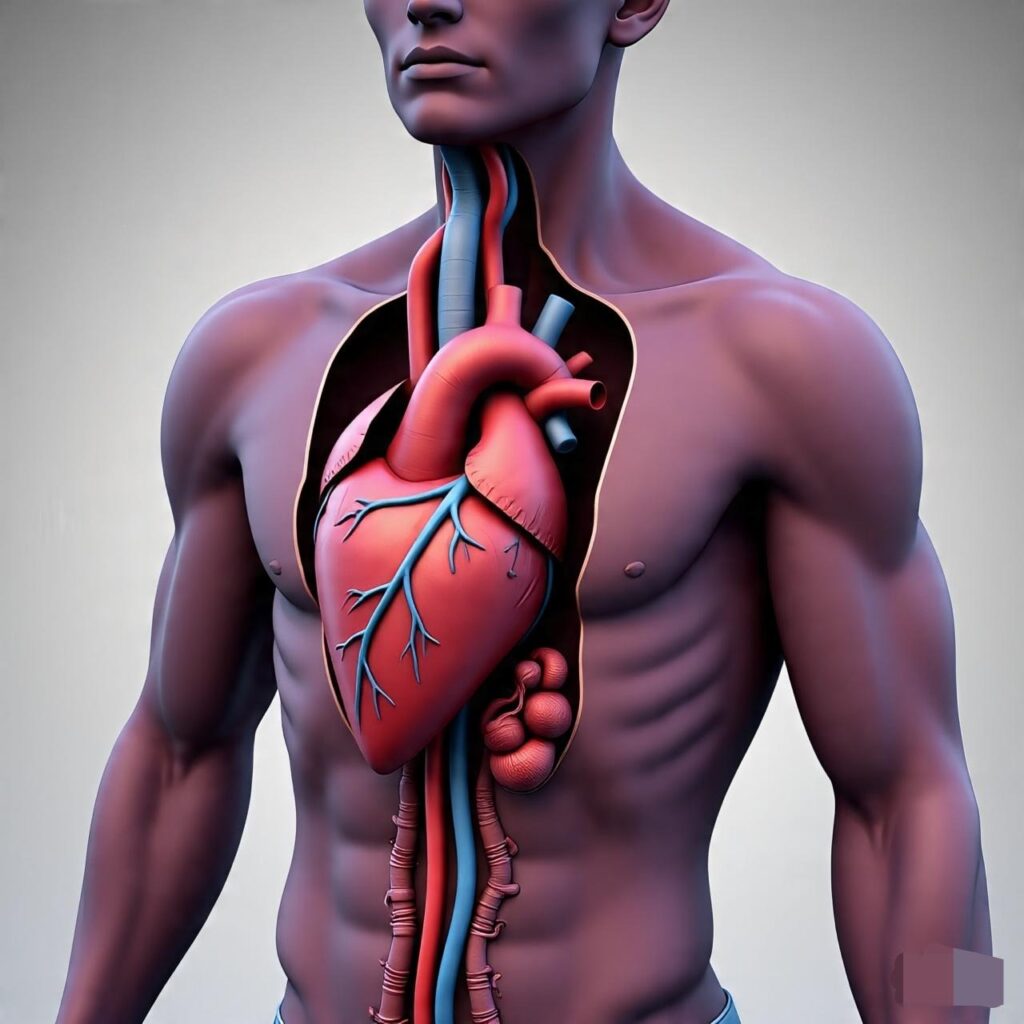
Less oxygen in the blood means your muscles tire quickly. Simple tasks like walking oclimbing stairs can make you feel exhausted. People with heart disease often struggle with chronic fatigue and weakness because their body isn’t getting enough energy.
7. Emotional and Mental Health Impact
Heart disease doesn’t only affect your body—it also affects your mental health. Many patients feel anxious, sad, or afraid after diagnosis. These emotions can increase stress and worsen heart symptoms if not managed properly.
8. Immune System and Healing
Reduced blood flow slows down your immune system. This means cuts, wounds, or infections take longer to heal. Because tissues don’t receive enough oxygen and nutrients, your body’s ability to fight illness becomes weaker.
9. Reproductive Health
Heart disease can reduce blood flow to reproductive organs, causing problems like erectile dysfunction in men or irregular periods in women. It can also make pregnancy riskier due to poor circulation and higher blood pressure.
10. Long-Term Systemic Effects
If left untreated, heart disease can cause multi-organ failure and chronic tiredness. Over time, the heart becomes too weak to supply blood to vital organs. This can lead to severe complications and loss of independence.
Prevention and Lifestyle Management
The best way to prevent heart disease is to live a healthy lifestyle. Eat a balanced diet, exercise regularly, and manage stress. Avoid smoking, limit alcohol, and keep your blood pressure and cholesterol under control. These simple habits can protect your heart for years to come.
Final Thoughts
Heart disease affects millions of people, but it can be managed and even prevented with the right care. A healthy lifestyle, regular checkups, and awareness of early symptoms can make a big difference. Protecting your heart today means ensuring a longer, stronger, and healthier life for the future.
FAQs
1. What is the main cause of heart disease?
The main cause is atherosclerosis, a buildup of plaque in arteries caused by unhealthy eating, smoking, and lack of exercise.
2. Can heart disease be reversed?
It can sometimes be slowed or improved with healthy habits, medicines, and lifestyle changes, but full recovery depends on the condition’s stage.
3. How does heart disease cause fatigue?
When the heart pumps weakly, less oxygen reaches your muscles, making you feel tired and drained.
4. Which organs are most affected by heart disease?
The brain, kidneys, lungs, and liver suffer the most due to poor blood and oxygen supply.
5. How can I strengthen my heart naturally?
Exercise daily, eat fruits and vegetables, avoid smoking, stay at a healthy weight, and reduce stress. These habits help your heart stay strong.